Jisoo Park

portrait of woman

About

Projects

Resume

UX Research & Design

Yes, Chef!

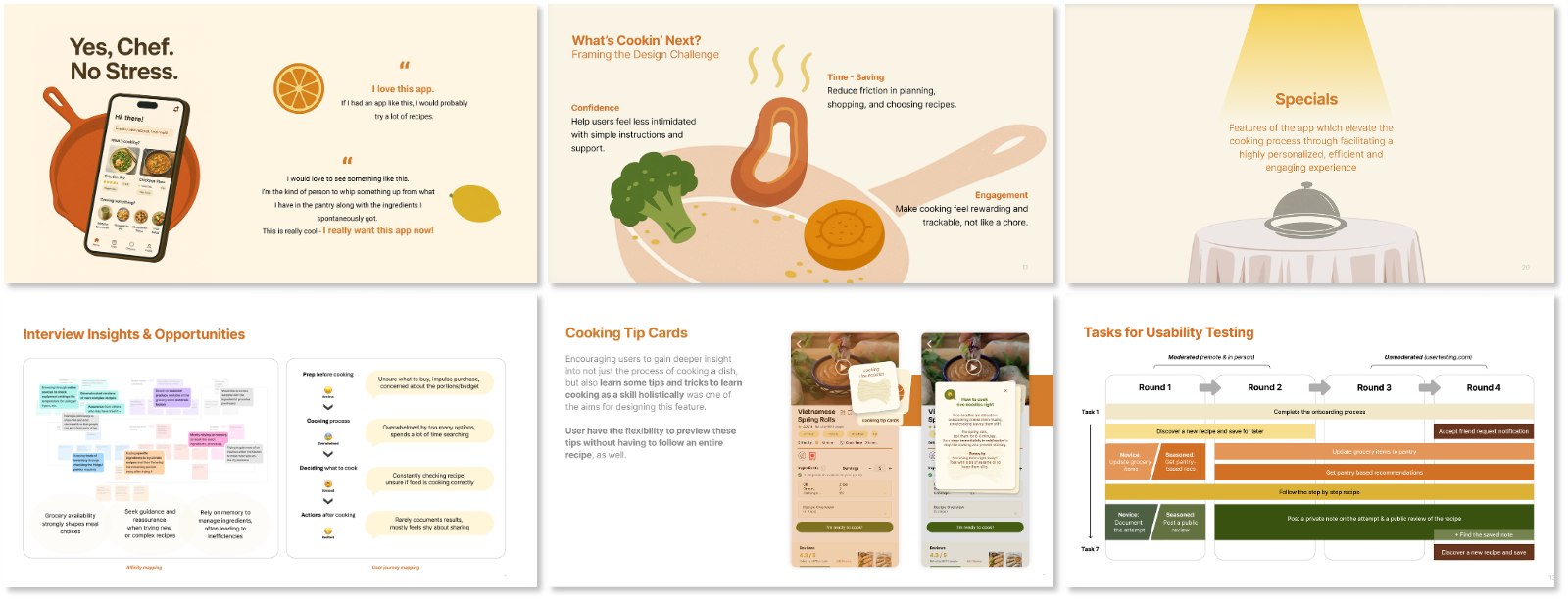
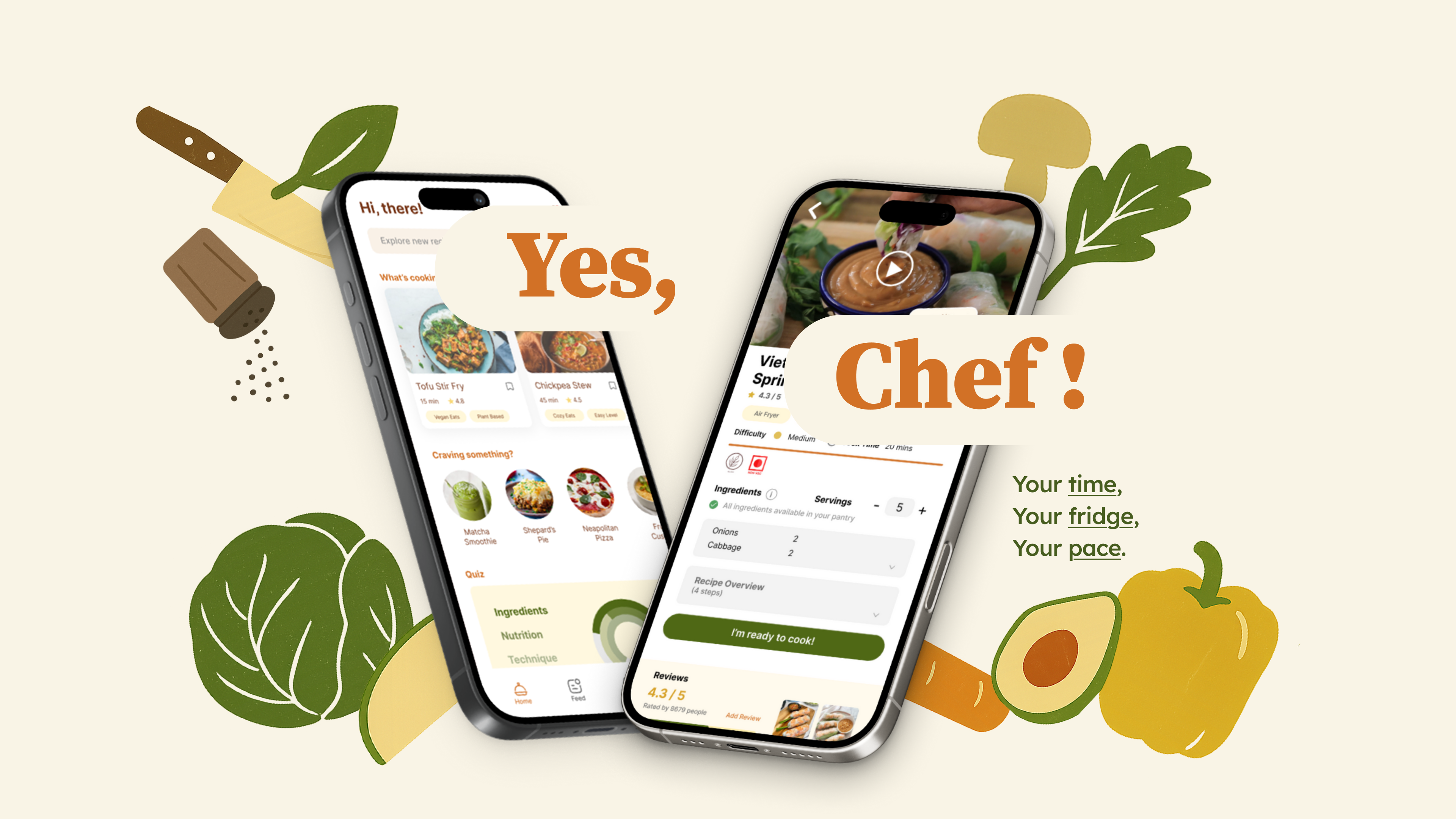
Yes, Chef! is a conceptual mobile app designed to make cooking approachable for young adults who often feel unmotivated or unsure in the kitchen. The project explores how UX research and iterative design can turn meal preparation into an engaging, confidence-building experience.

Duration.

Scope.

Role.

Team.

3 months

Interaction Design

UX Research & Synthesis

4 designers

Setting the Table

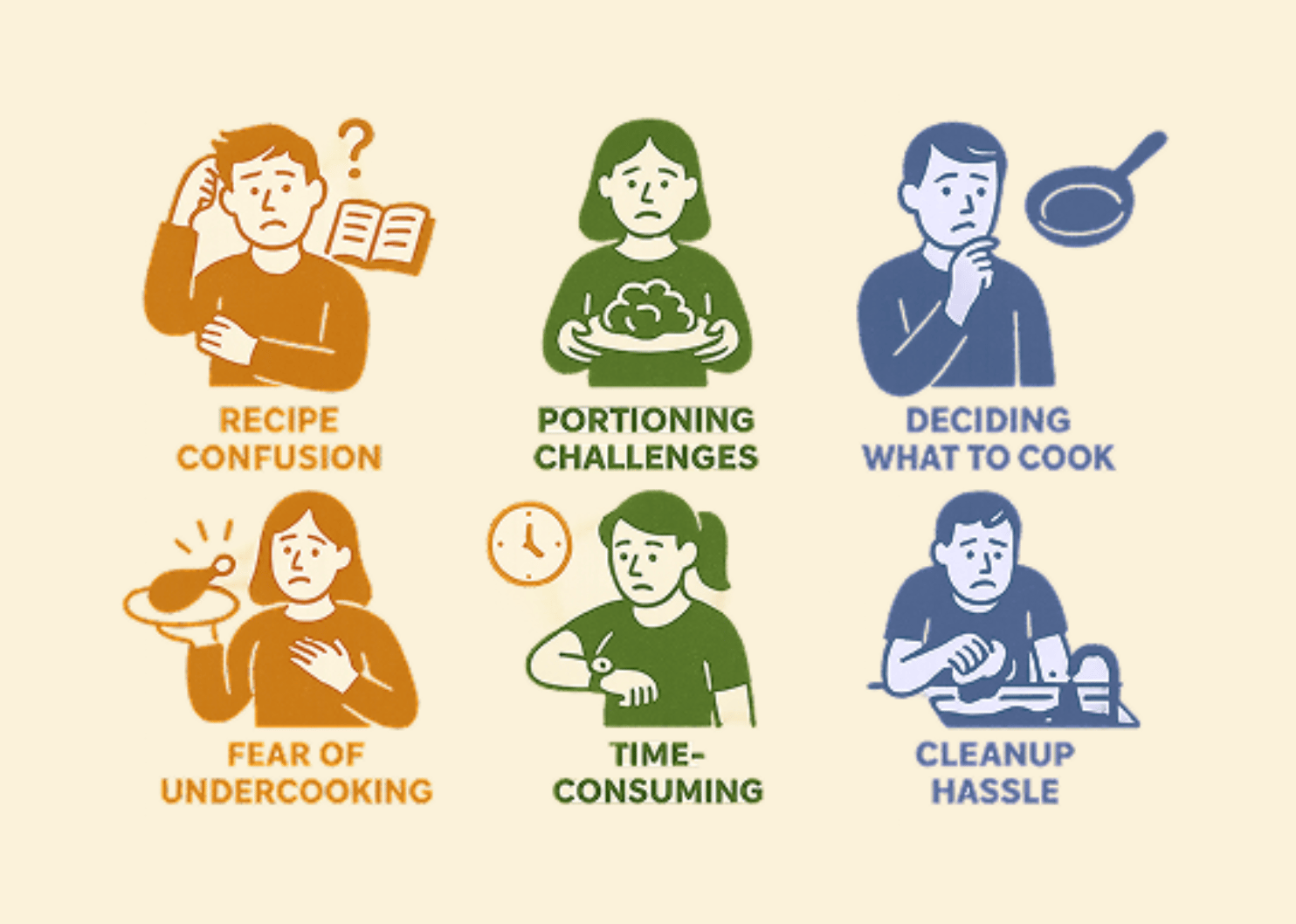
Many young adults want to eat better but feel limited by time, skills, or fear of failure. The goal was to understand these barriers and design an experience that encourages consistent, enjoyable cooking.

Time constraints and lack of confidence make cooking challenging, which negatively impacts young adults’ health and finances. Research shows that learning to cook between ages 18–23 improves long-term nutrition, yet only 33% of Gen Z feel confident in the kitchen.*
What’s stopping you from cooking?

Research → Ideation → Prototyping → 3 Rounds of User Testing → Branding

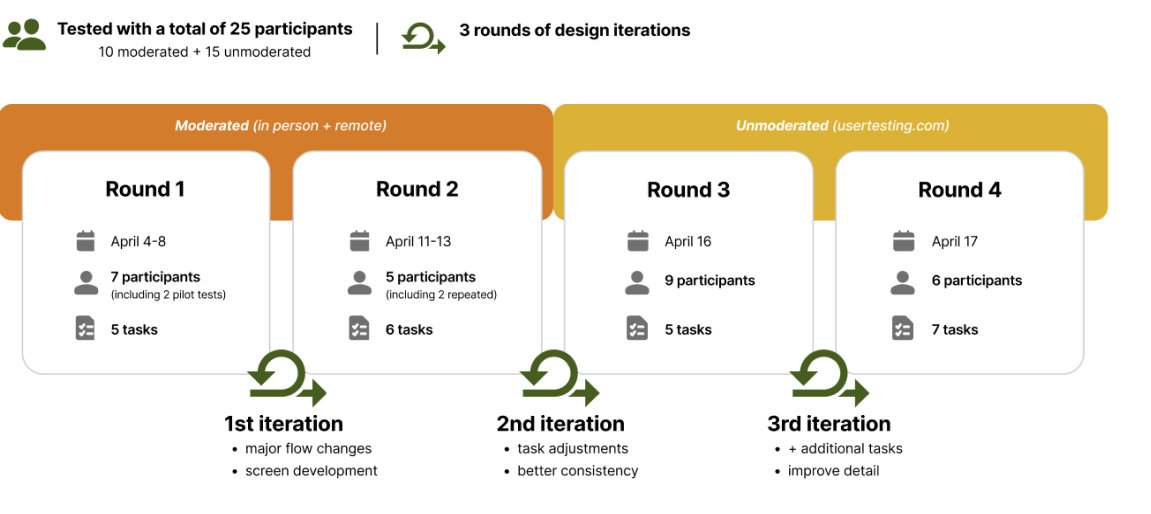
This project followed a full-cycle UX process, with three rounds of usability testing to refine both clarity and motivation.

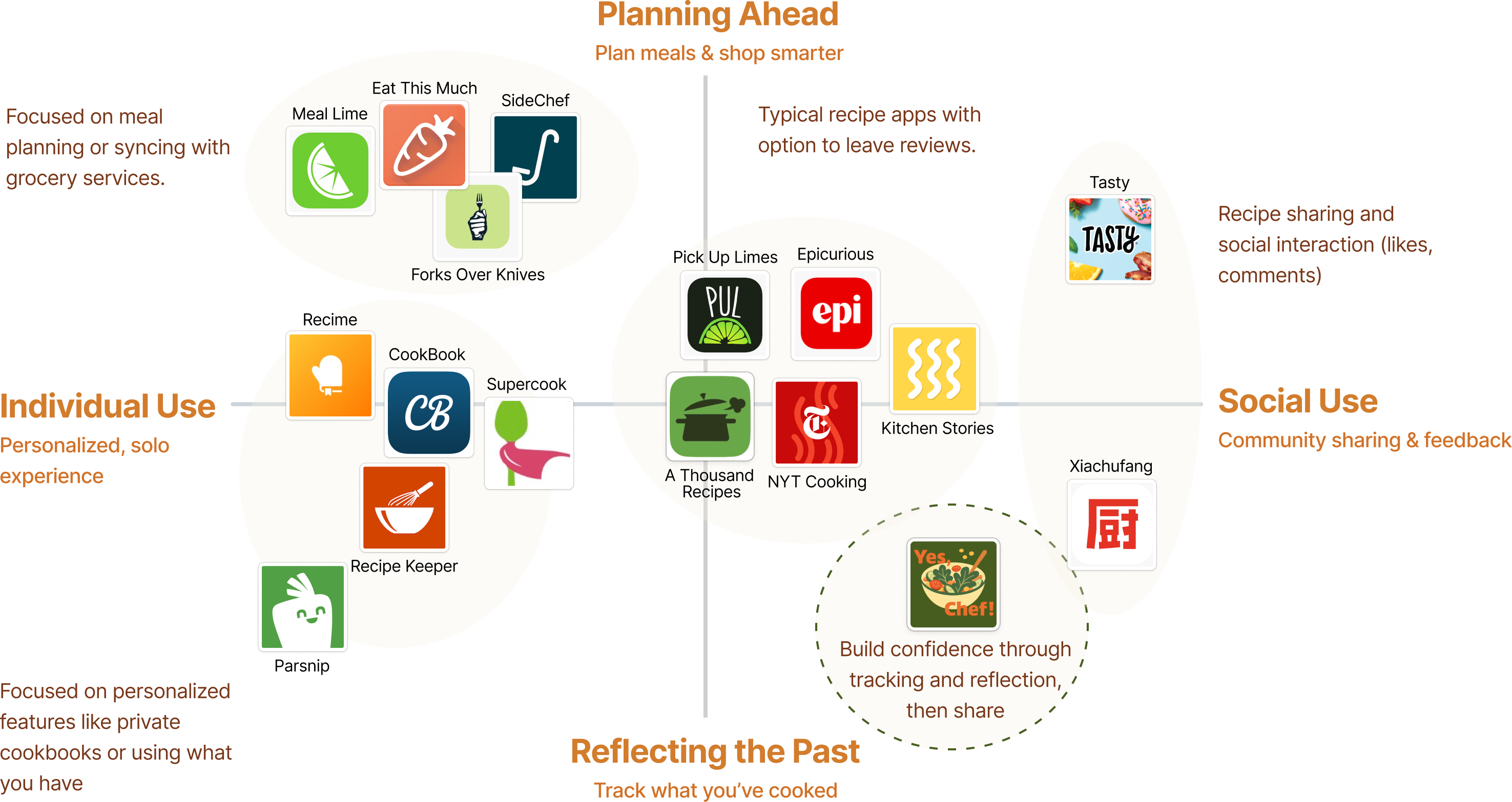
Competitor Matrix

We analyzed 16 cooking apps across two dimensions:

  • Planning ahead vs. Reflecting on the past
  • Solo use vs. Social interaction

Voices from 61 Home Cooks

Our goal was to understand the thought process, motivations, and challenges of home cooks, regardless of skill level.
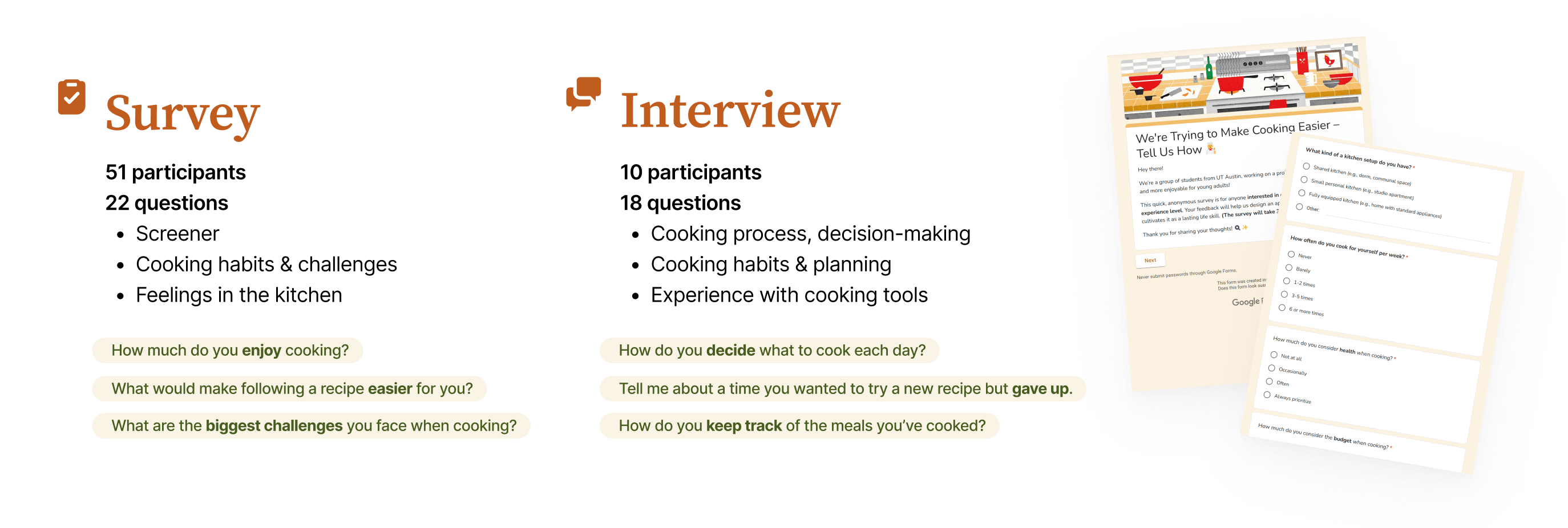
Three patterns stood out:

  • Low confidence + time pressure are the biggest barriers to consistent cooking
  • Poor ingredient planning leads to frustration and waste
  • Social feedback and accountability increase motivation

Two Distinct User Groups: Novice & Seasoned
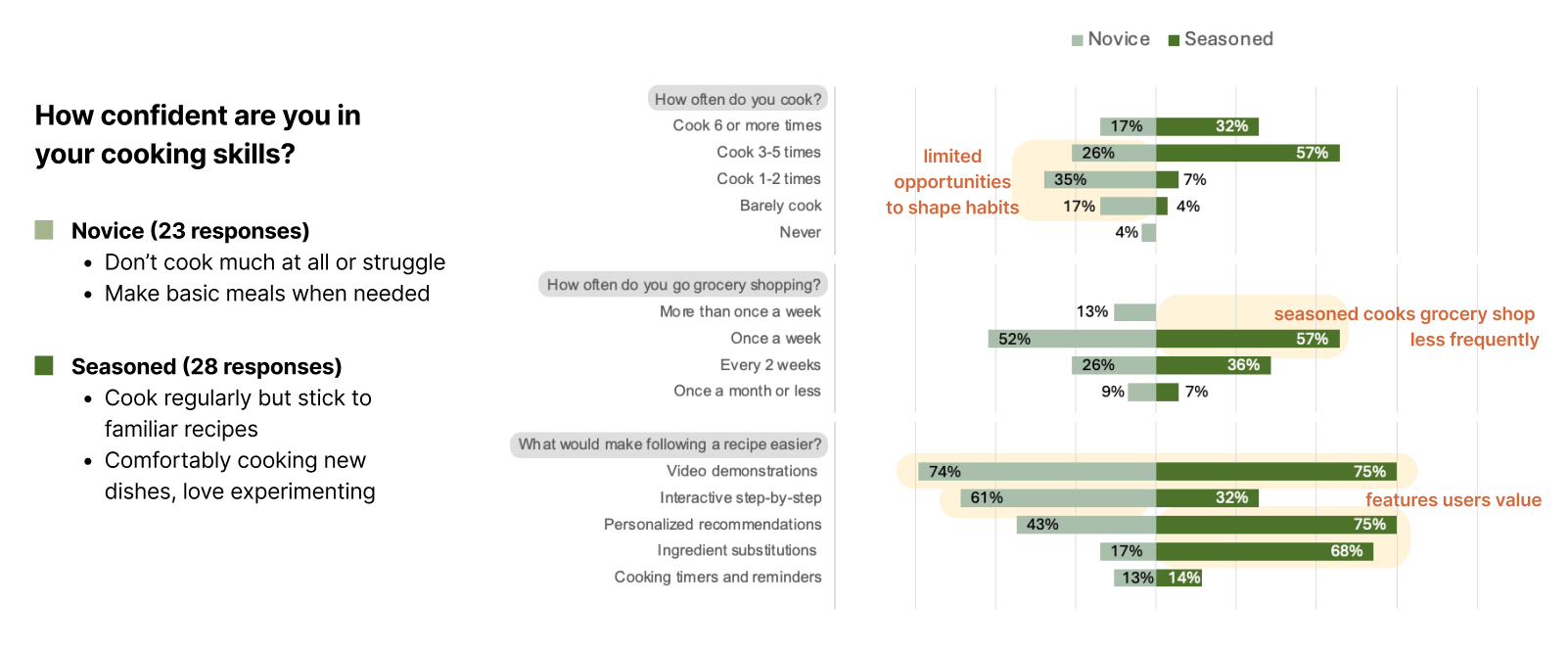
Example of fndings from survey results

By analyzing users in two groups, novice and seasoned, we were able to better identify their shared needs and unique pain points of each group. Novices need structure, reassurance, and small wins. Seasoned cooks need flexibility, variation, and inspiration.

We synthesized survey and interview insights into two persona journeys, revealing key emotional and behavioral patterns across the cooking process.
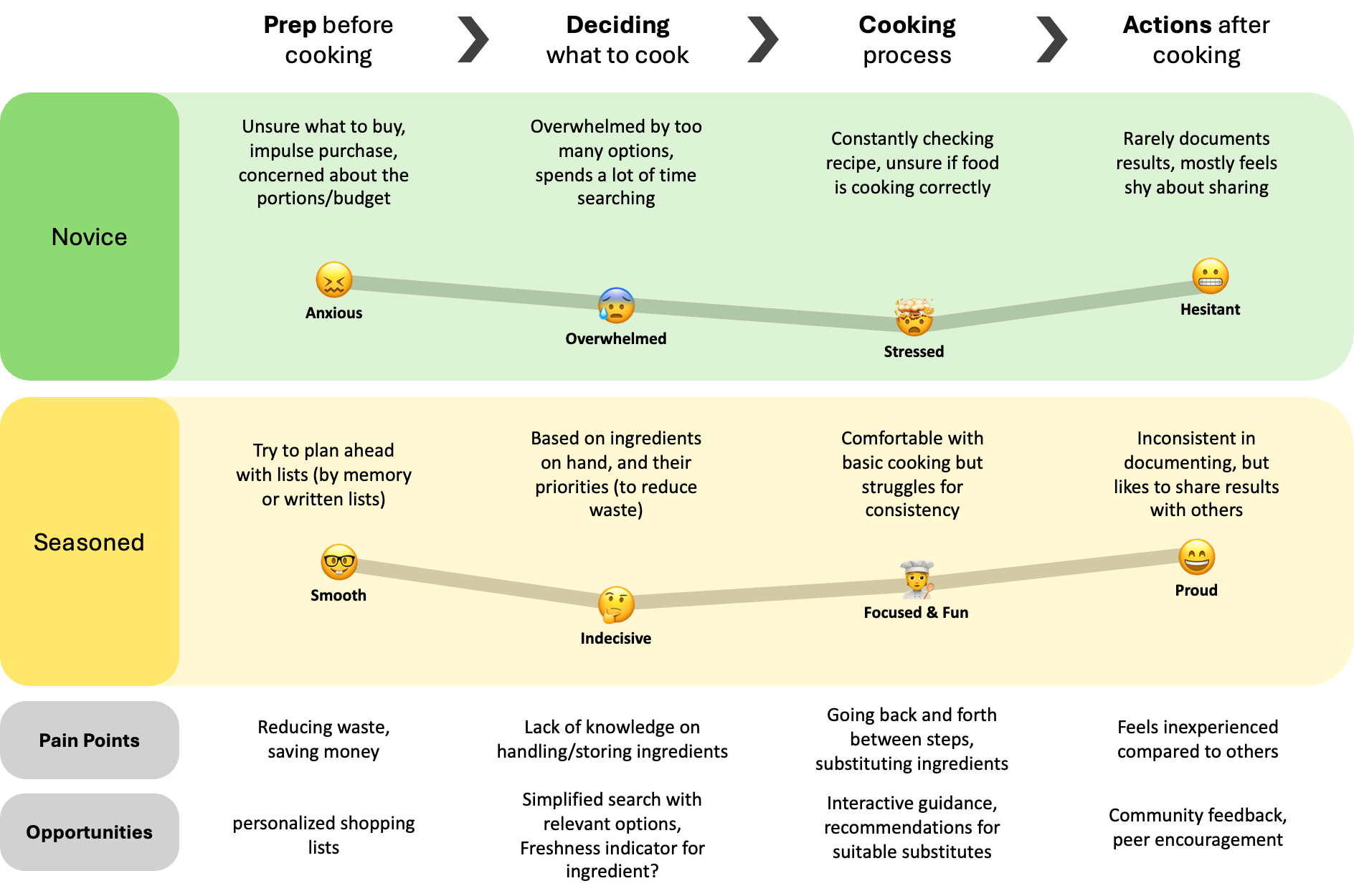
Mapping based on user personas (of novice and seasoned cooks) to explore different pain points and opportunities to be addressed within the ideation process

Behind the Broil
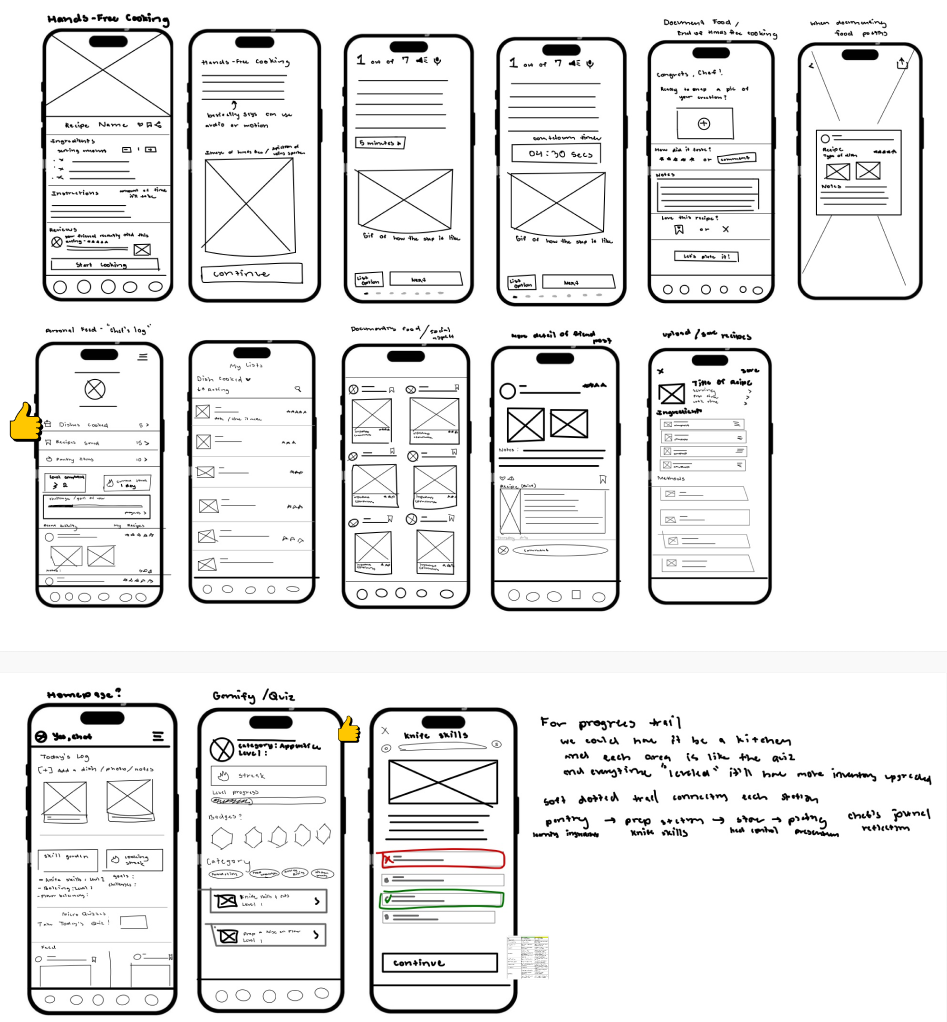
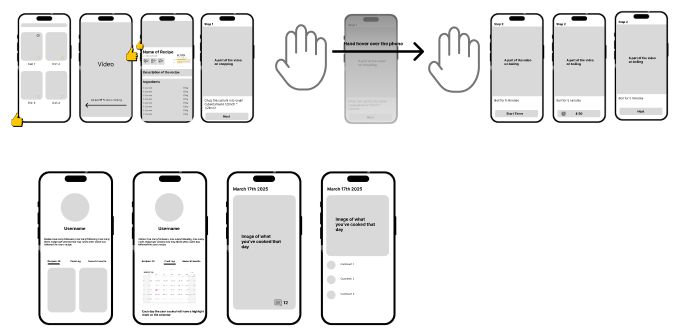
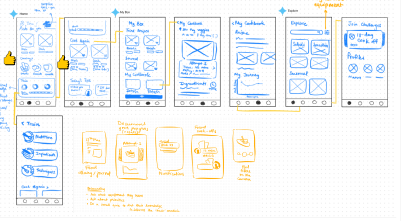
We began with fast, low-fidelity sketches to test different flows and concept. The goal to put on paper the floating ideas from user input and define what could shape the core experiences from there.

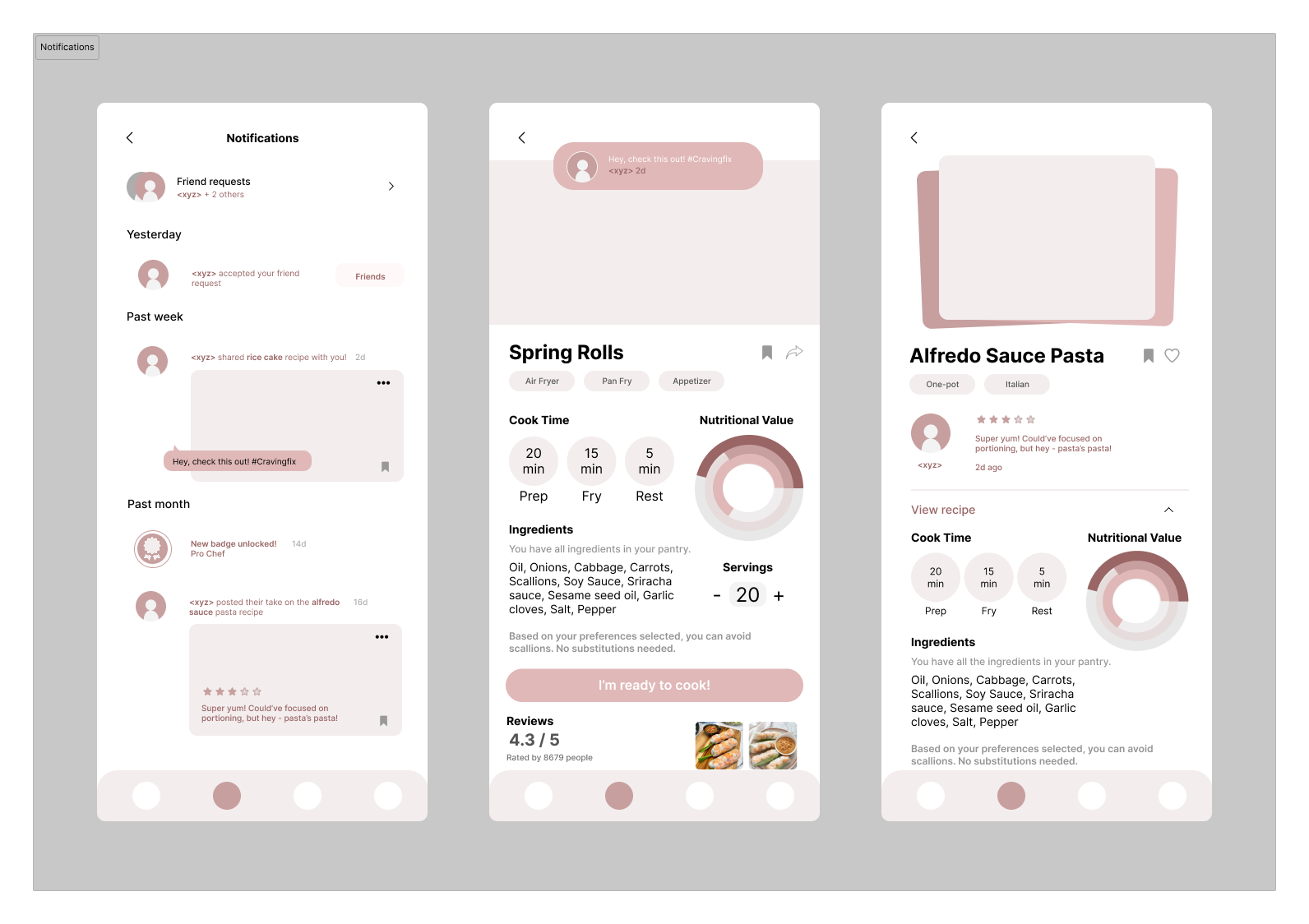
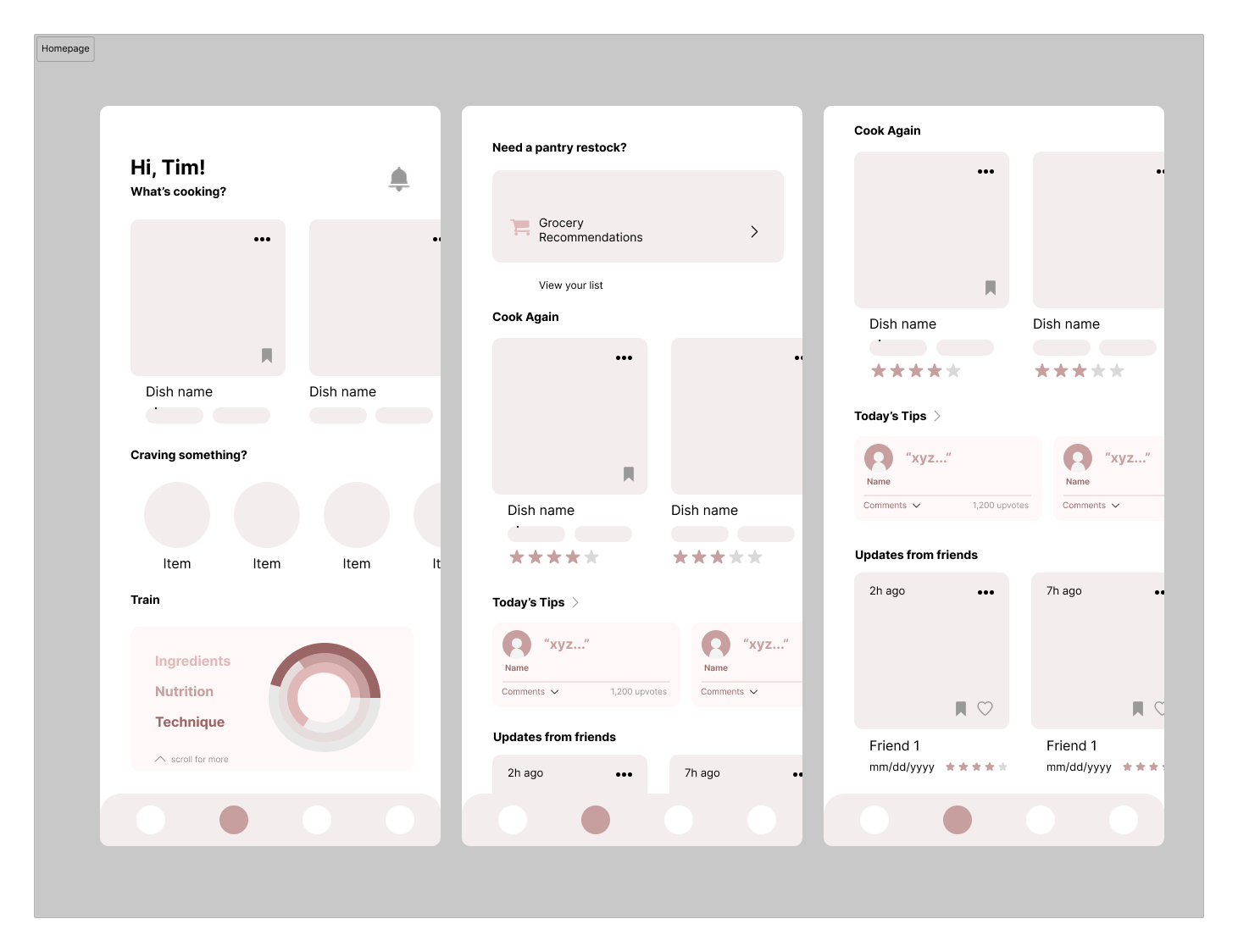
Wireframes focused on two challenges: making familiar actions like browsing and reviewing recipes more accessible, and ensuring newly introduced features could be understood and used intuitively.

For core user flows, continuous refinement was made. For example, for the recipe page, research showed that users rarely follow recipes exactly. Recipe page needed to adapt to cooks looking at the same dish with different needs, which included:

  • Ingredient swaps when possible
  • Appliance alternatives that gives adaptive instructions
  • Step-by-step auto-video preview cook-along guidance
  • Built-in multi-timer support

The goal was to build for flexibility

4 Rounds of Iterations

For core user flows, continuous refinement was made. For example, for the recipe page, research showed that users rarely follow recipes exactly. Recipe page needed to adapt to cooks looking at the same dish with different needs, which included:

  • Ingredient swaps when possible
  • Appliance alternatives that gives adaptive instructions
  • Step-by-step auto-video preview cook-along guidance
  • Built-in multi-timer support

The goal was to build for flexibility

Evolving from low to mid fidelity

Cooking is more than just making meals. It’s about building independence, well-being, and sustainability.

Final Look

The final design turns cooking into an approachable and reflective experience shaping mindful habits & empowering young adults with lifelong skills.

Key Takeaways

This project showed how important it is to design with different users in mind to keep products usable, useful, and accessible. It also revealed how much thought goes into creating simple, intuitive interactions. Testing on UserTesting.com reinforced the value of clear, engaging instructions for getting meaningful insights.

crowd of people on a town square

I'm the kind of person who likes to whip something up from what I have in the pantry along with the ingredients I spontaneously got. This is really cool. I really want this app now!

Participant feedback during unmoderated testing

© Designed by Jisoo Park | 2026

portrait of woman

Jisoo Park

About

Projects

Resume

UX Research & Design

Yes, Chef!

Yes, Chef! is a conceptual mobile app designed to make cooking approachable for young adults who often feel unmotivated or unsure in the kitchen. The project explores how UX research and iterative design can turn meal preparation into an engaging, confidence-building experience.

Duration.

Scope.

Role.

Team.

3 months

Interaction Design

UX Research & Synthesis

4 designers

Setting the Table

Many young adults want to eat better but feel limited by time, skills, or fear of failure. The goal was to understand these barriers and design an experience that encourages consistent, enjoyable cooking.

Time constraints and lack of confidence make cooking challenging, which negatively impacts young adults’ health and finances. Research shows that learning to cook between ages 18–23 improves long-term nutrition, yet only 33% of Gen Z feel confident in the kitchen.*

What’s stopping you from cooking?

Research → Ideation → Prototyping → 3 Rounds of User Testing → Branding

This project followed a full-cycle UX process, with three rounds of usability testing to refine both clarity and motivation.

Competitor Matrix

We analyzed 16 cooking apps across two dimensions:

  • Planning ahead vs. Reflecting on the past
  • Solo use vs. Social interaction

Voices from 61 Home Cooks

Our goal was to understand the thought process, motivations, and challenges of home cooks, regardless of skill level.

Three patterns stood out:

  • Low confidence + time pressure are the biggest barriers to consistent cooking
  • Poor ingredient planning leads to frustration and waste
  • Social feedback and accountability increase motivation

Two Distinct User Groups: Novice & Seasoned

Example of fndings from survey results

By analyzing users in two groups, novice and seasoned, we were able to better identify their shared needs and unique pain points of each group. Novices need structure, reassurance, and small wins. Seasoned cooks need flexibility, variation, and inspiration.

We synthesized survey and interview insights into two persona journeys, revealing key emotional and behavioral patterns across the cooking process.

Mapping based on user personas (of novice and seasoned cooks) to explore different pain points and opportunities to be addressed within the ideation process

Behind the Broil
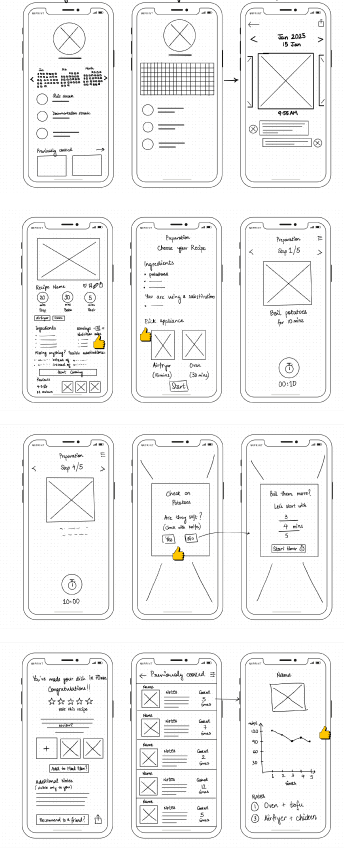
We began with fast, low-fidelity sketches to test different flows and concept. The goal to put on paper the floating ideas from user input and define what could shape the core experiences from there.

Wireframes focused on two challenges: making familiar actions like browsing and reviewing recipes more accessible, and ensuring newly introduced features could be understood and used intuitively.

Core user flows were continuously refined. For the recipe page, research showed that users rarely follow recipes exactly. The page therefore needed to adapt to cooks approaching the same dish with different needs, including:

  • Ingredient swaps when possible
  • Appliance alternatives with adaptive instructions
  • Step-by-step cook-along video guidance
  • Built-in multi-timer support

The goal was to build for flexibility

4 Rounds of Iterations

For core user flows, continuous refinement was made. For example, for the recipe page, research showed that users rarely follow recipes exactly. Recipe page needed to adapt to cooks looking at the same dish with different needs, which included:

  • Ingredient swaps when possible
  • Appliance alternatives that gives adaptive instructions
  • Step-by-step auto-video preview cook-along guidance
  • Built-in multi-timer support

The goal was to build for flexibility

Evolving from low to mid fidelity

Cooking is more than just making meals. It’s about building independence, well-being, and sustainability.

Final Look

The final design turns cooking into an approachable and reflective experience shaping mindful habits & empowering young adults with lifelong skills.

Key Takeaways

This project showed how important it is to design with different users in mind to keep products usable, useful, and accessible. It also revealed how much thought goes into creating simple, intuitive interactions. Testing on UserTesting.com reinforced the value of clear, engaging instructions for getting meaningful insights.

crowd of people on a town square

I'm the kind of person who likes to whip something up from what I have in the pantry along with the ingredients I spontaneously got. This is really cool. I really want this app now!

Participant feedback during unmoderated testing

© Designed by Jisoo Park | 2026

portrait of woman

Jisoo Park

About

Projects

Resume

UX Research & Design

Yes, Chef!

Yes, Chef! is a conceptual mobile app designed to make cooking approachable for young adults who often feel unmotivated or unsure in the kitchen. The project explores how UX research and iterative design can turn meal preparation into an engaging, confidence-building experience.

Duration.

Role. Scope.

Team.

3 months

UX Research & Design

Interaction Design

4 designers

Setting the Table

Many young adults want to eat better but feel limited by time, skills, or fear of failure. The goal was to understand these barriers and design an experience that encourages consistent, enjoyable cooking.

Time constraints and lack of confidence make cooking challenging, which negatively impacts young adults’ health and finances. Research shows that learning to cook between ages 18–23 improves long-term nutrition, yet only 33% of Gen Z feel confident in the kitchen.*

What’s stopping you from cooking?

Research → Ideation → Prototyping → 3 Rounds of User Testing → Branding

This project followed a full-cycle UX process, with three rounds of usability testing to refine both clarity and motivation.

Competitor Matrix

We analyzed 16 cooking apps across two dimensions:

  • Planning ahead vs. Reflecting on the past
  • Solo use vs. Social interaction

Most competitors focus on either meal planning or recipe content, but lack real-time cooking support or interactive community features.

Voices from 61 Home Cooks

Our goal was to understand the thought process, motivations, and challenges of home cooks, regardless of skill level.

Three patterns stood out:

  • Low confidence + time pressure are the biggest barriers to consistent cooking
  • Poor ingredient planning leads to frustration and waste
  • Social feedback and accountability increase motivation

Two Distinct User Groups: Novice & Seasoned

Example of fndings from survey results

By analyzing users in two groups, novice and seasoned, we were able to better identify their shared needs and unique pain points of each group. Novices need structure, reassurance, and small wins. Seasoned cooks need flexibility, variation, and inspiration.

We synthesized survey and interview insights into two persona journeys, revealing key emotional and behavioral patterns across the cooking process.

Mapping based on user personas (of novice and seasoned cooks) to explore different pain points and opportunities to be addressed within the ideation process

Behind the Broil
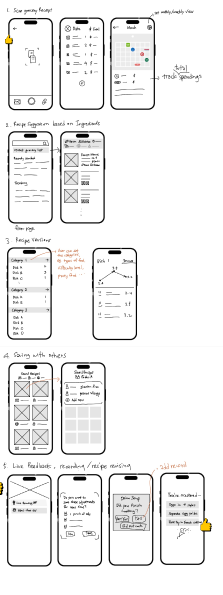
Low-Fidelity: What makes cooking click

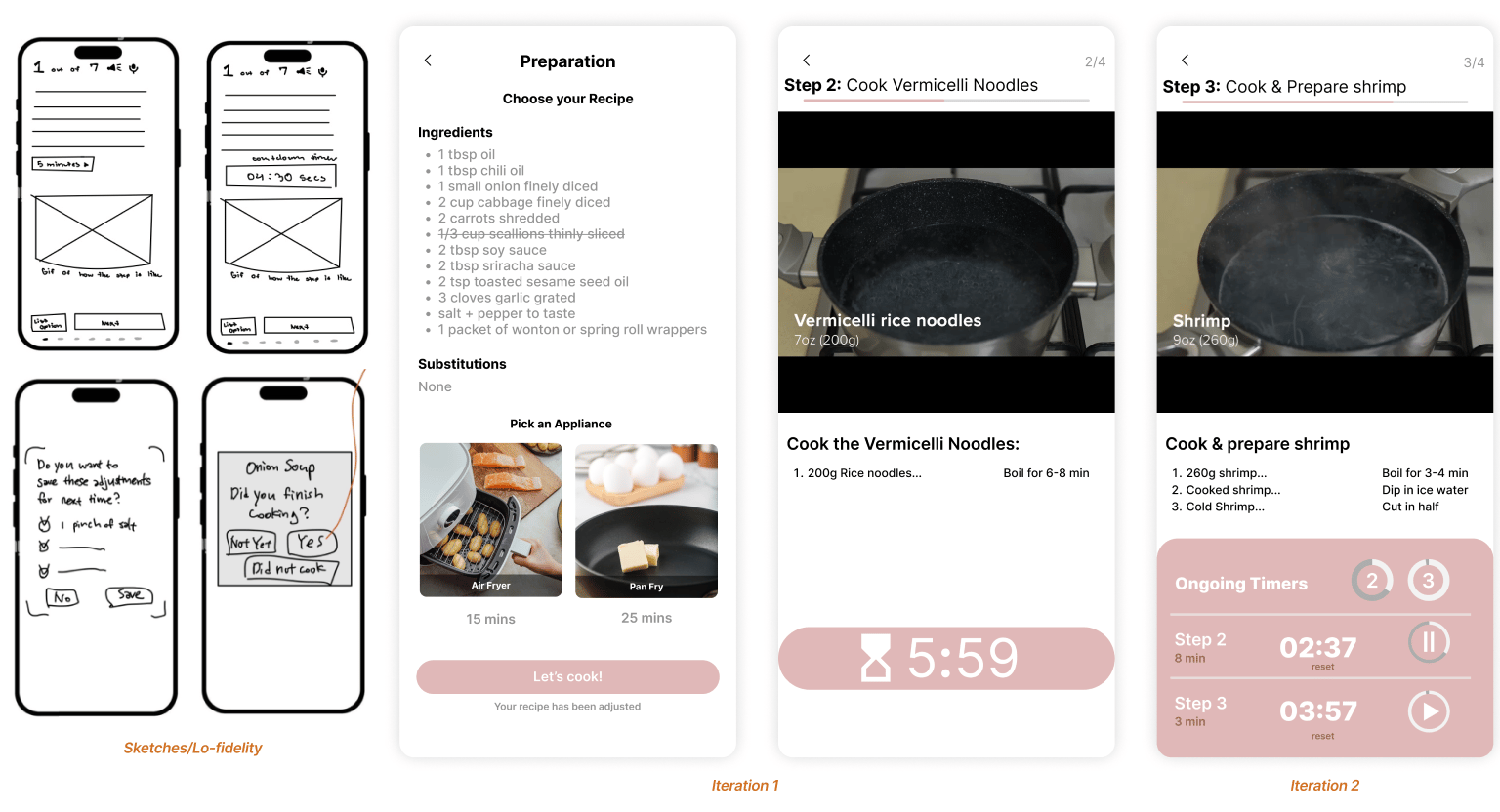
We began with fast, low-fidelity sketches to test different flows and concept. The goal to put on paper the floating ideas from user input and define what could shape the core experiences from there.
Mid-Fidelity: Designing for clarity and control

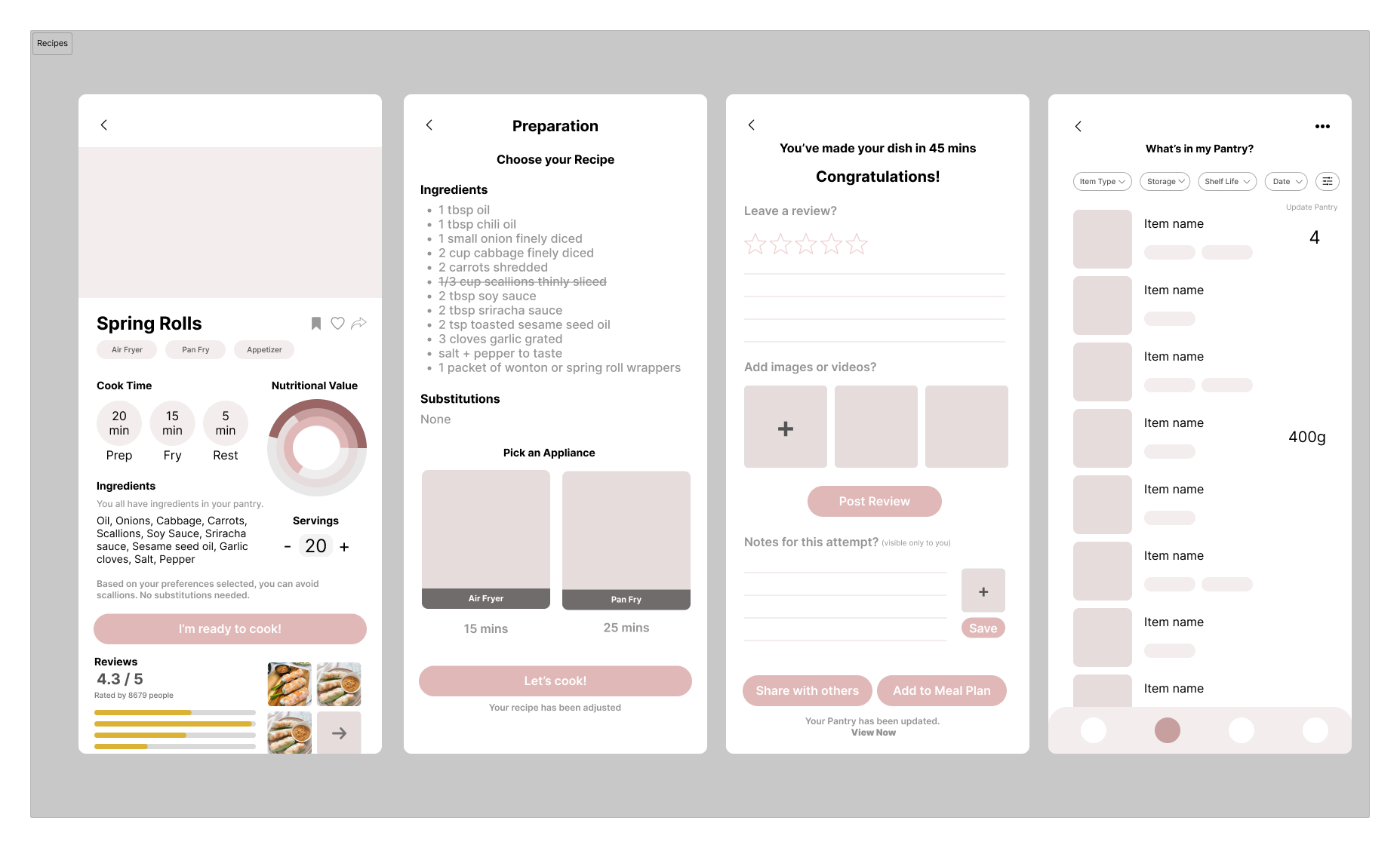
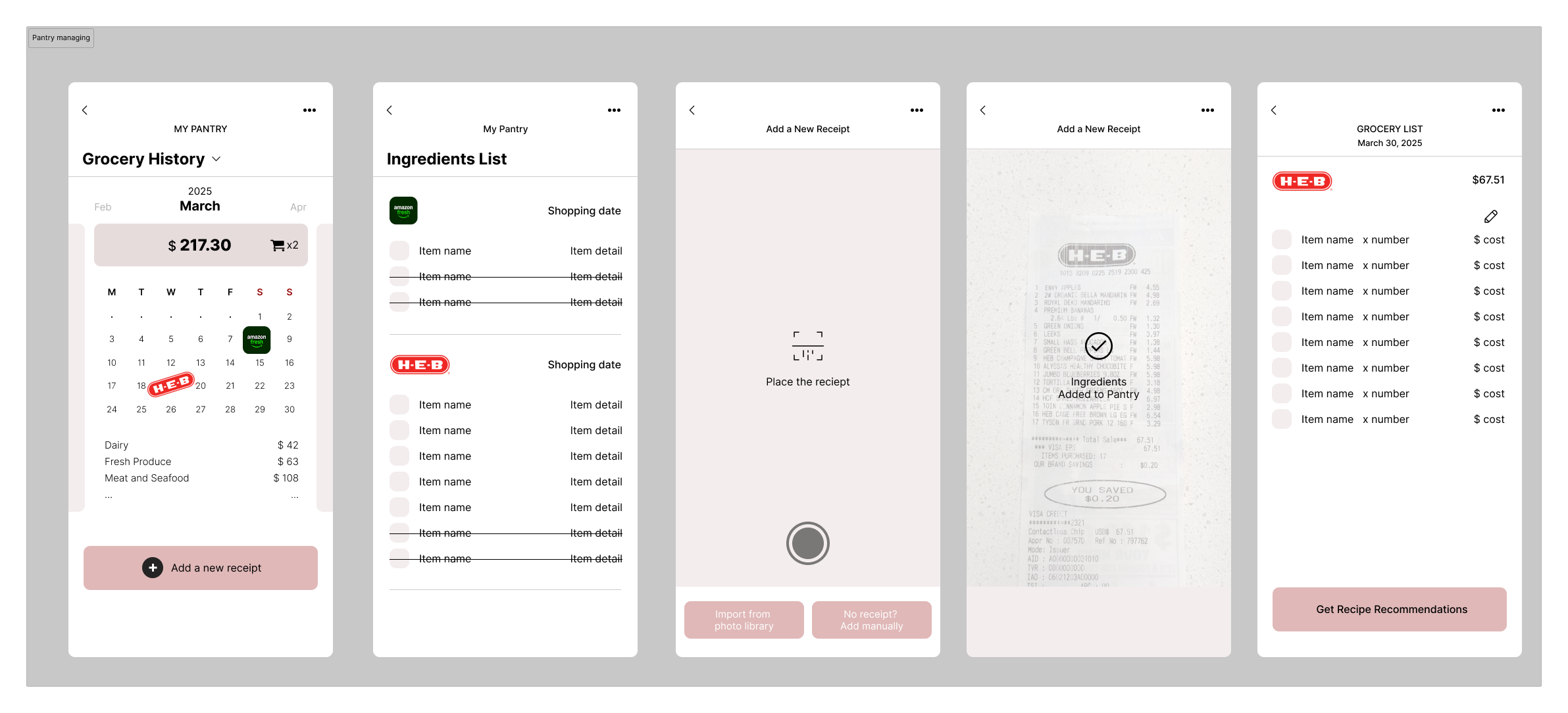
Wireframes focused on two challenges: making familiar actions like browsing and reviewing recipes more accessible, and ensuring newly introduced features could be understood and used intuitively.
Feature Refinement

Core user flows were continuously refined. For the recipe page, research showed that users rarely follow recipes exactly. The page therefore needed to adapt to cooks approaching the same dish with different needs, including:

  • Ingredient swaps when possible
  • Appliance alternatives with adaptive instructions
  • Step-by-step cook-along video guidance
  • Built-in multi-timer support

The goal was to build for flexibility

4 Rounds of Iterations
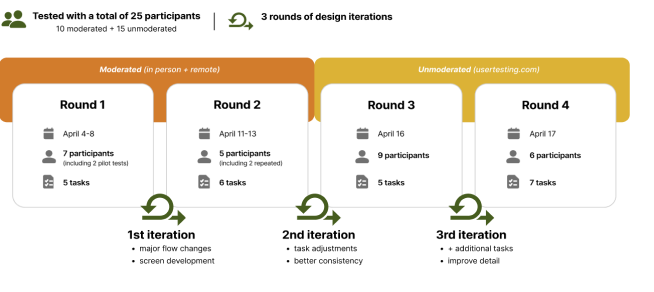
For core user flows, continuous refinement was made. For example, for the recipe page, research showed that users rarely follow recipes exactly. Recipe page needed to adapt to cooks looking at the same dish with different needs, which included:

  • Ingredient swaps when possible
  • Appliance alternatives that gives adaptive instructions
  • Step-by-step auto-video preview cook-along guidance
  • Built-in multi-timer support

The goal was to build for flexibility
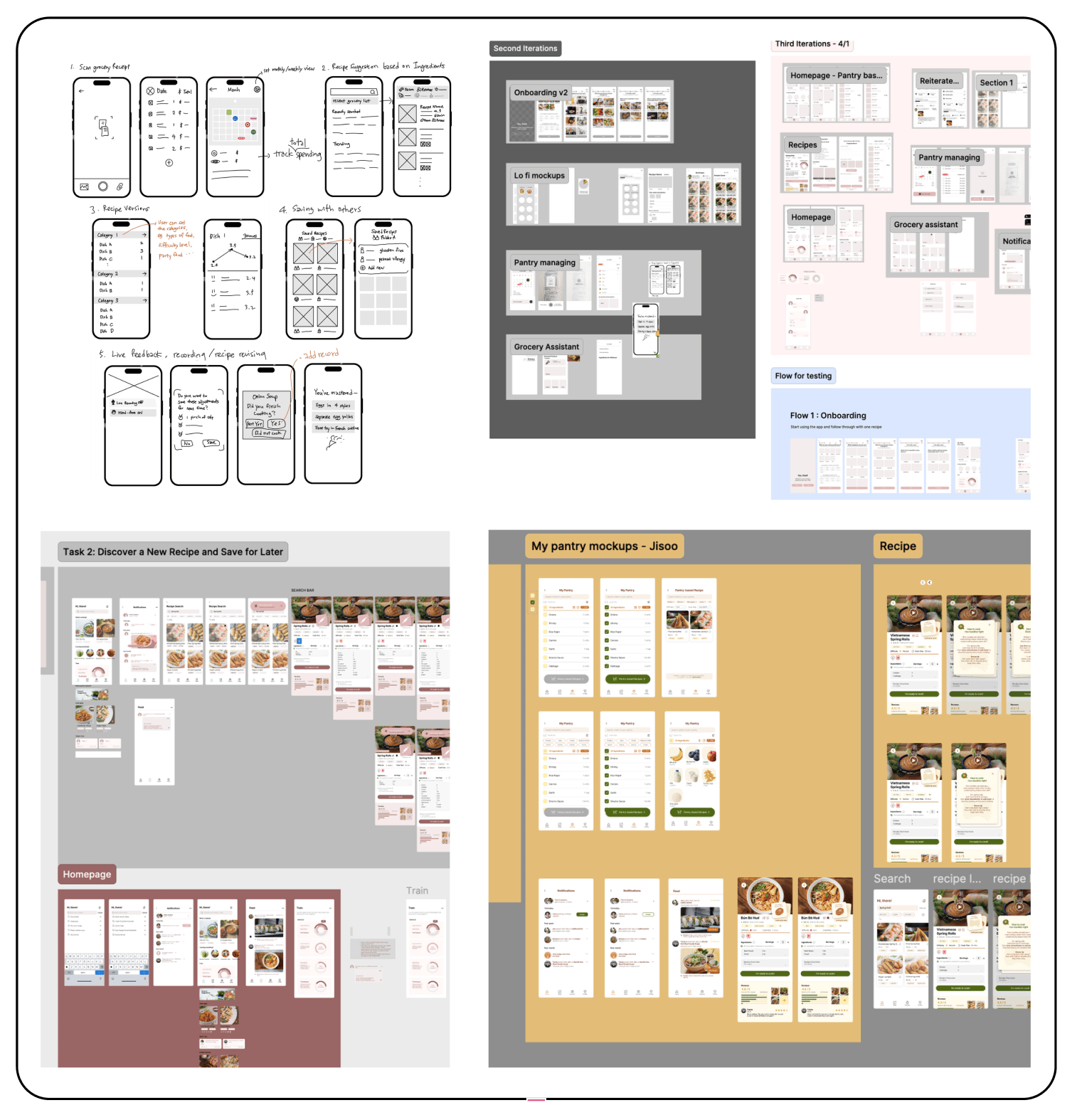
Evolving from low to mid fidelity

Final Look

The final design turns cooking into an approachable and reflective experience shaping mindful habits & empowering young adults with lifelong skills.
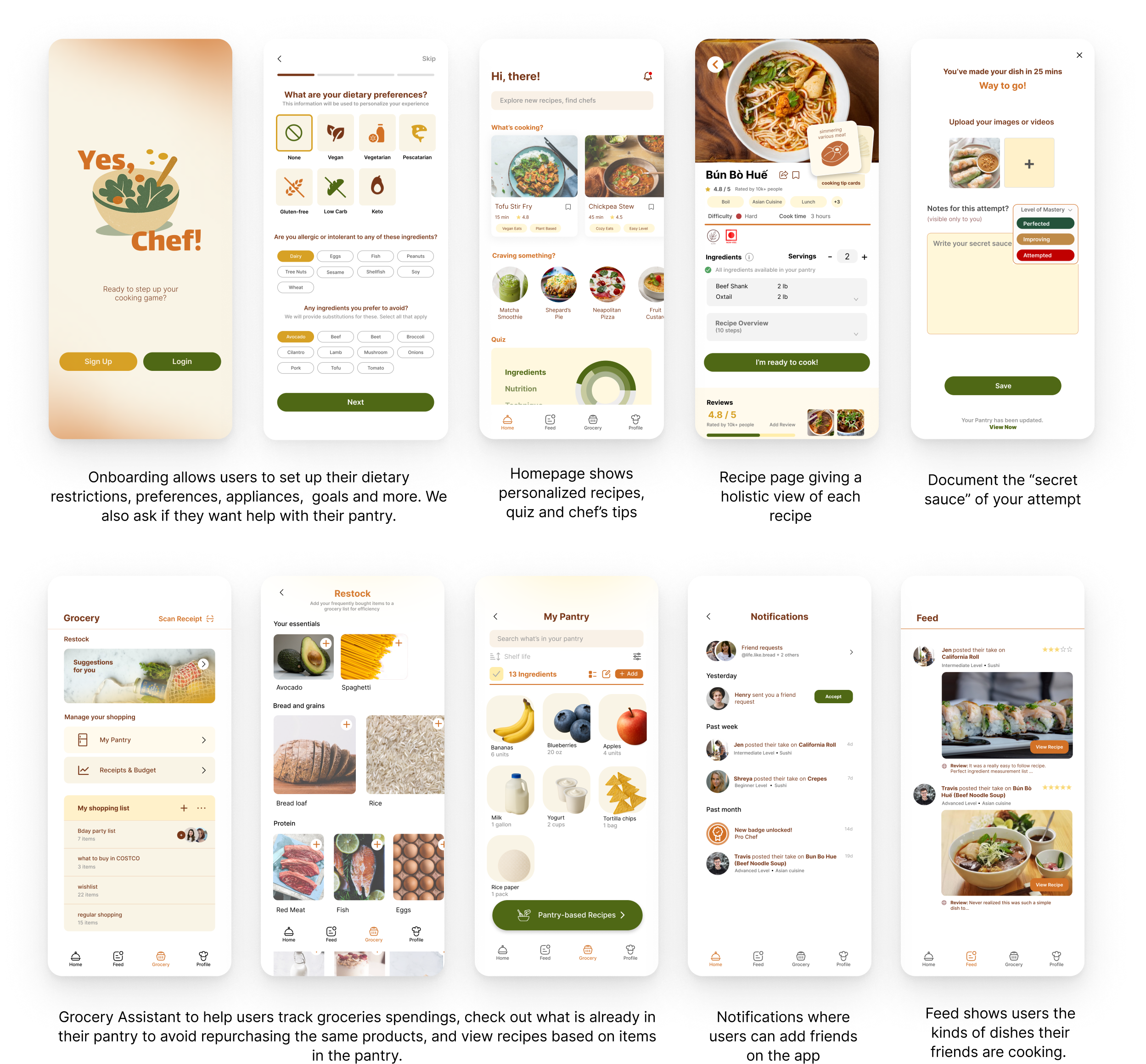
Cooking is more than just making meals. It’s about building independence, well-being, and sustainability.

Key Takeaways

This project showed how important it is to design with different users in mind to keep products usable, useful, and accessible. It also revealed how much thought goes into creating simple, intuitive interactions. Testing on UserTesting.com reinforced the value of clear, engaging instructions for getting meaningful insights.
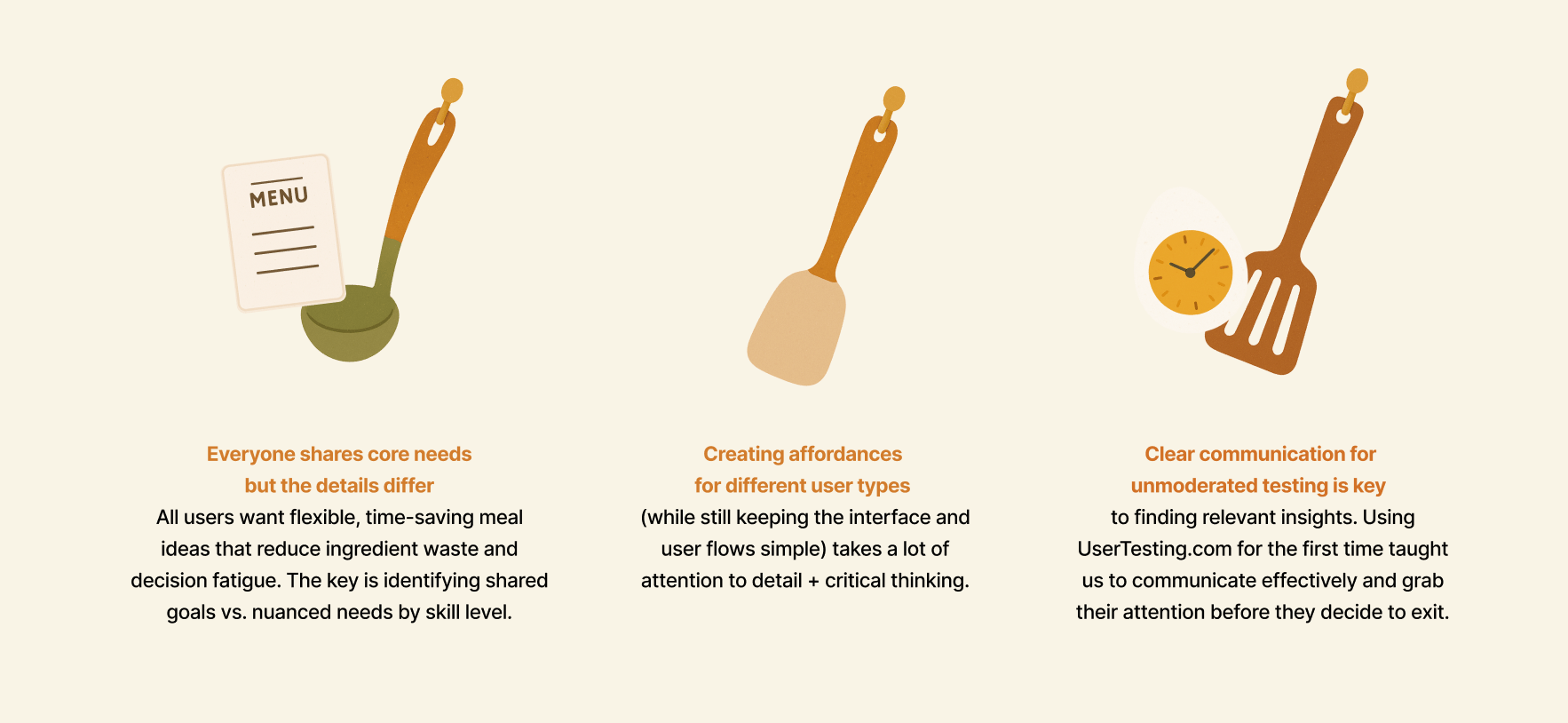
crowd of people on a town square

I'm the kind of person who likes to whip something up from what I have in the pantry along with the ingredients I spontaneously got. This is really cool. I really want this app now!

Participant feedback during unmoderated testing
Stay tuned for more!

© Designed by Jisoo Park | 2026